What is tracking? Is your phone spying on you?
Introduction
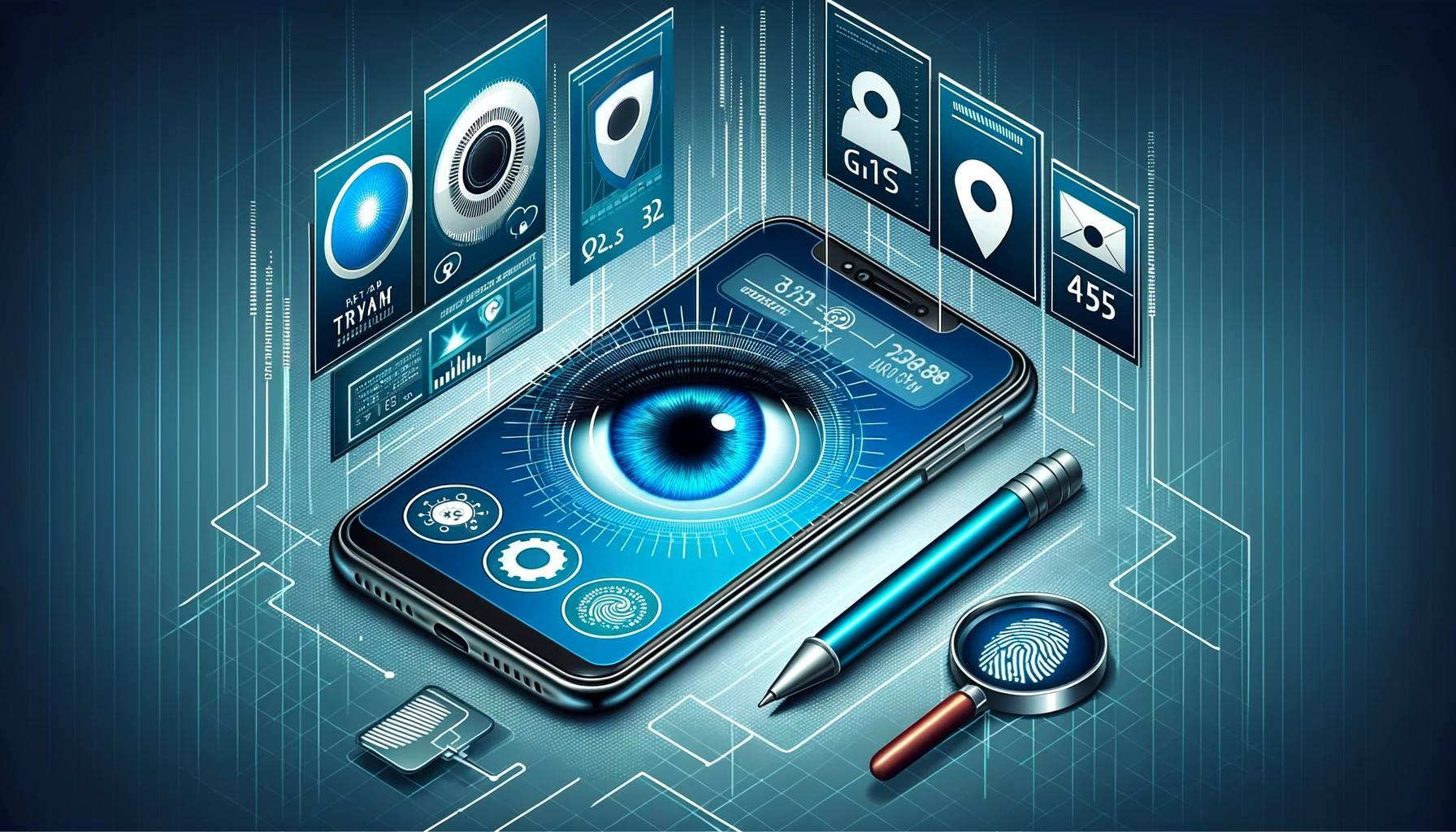
In today’s digital age, our smartphones have become extensions of ourselves, handling everything from communication and social networking to banking and entertainment. However, most users are completely unaware of the invasive tracking and data collection practices utilized by mobile apps. Every interaction, every location, every check-in, and every online search is potentially tracked, collected, and analyzed by various entities, often without your explicit consent.
Recent research has shed light on the pervasive tracking mechanisms embedded within many popular mobile applications. These mechanisms are not just about improving user experience, as many companies claim, but are intricately tied to a hidden economy of data brokerage and advertising, where personal information is a commodity.
The Mechanics of Mobile Tracking
Our mobile devices gather a staggering amount of personal information through apps. Whether it’s your location data, browsing history, online searches, or even accelerometer data, your mobile device can reveal a lot about your habits and preferences. Apps ask for permissions that often goes beyond what they need for functionality. This data is not just used to enhance the user experience, but is a vital part of a lucrative ecosystem that revolves around targeted advertising (commonly referred to as “surveillence-based advertising“) and data trading.
How Apps Use Your Data
Mobile apps use permissions to access various data points. For example, a weather app might need your location to provide forecasts, but it could also sell this data to advertisers who use it to serve personalized ads. The more disturbing fact is that this data collection often happens in the background, without the user’s active engagement or awareness.
Surveillance Capitalism
Surveillance Capitalism is a business model based on collecting your personal data, where your personal data is the currency. Companies build detailed profiles based on collected user data and these profiles are then used to tailor marketing strategies, influence consumer behavior, and in some cases even sold to third parties. The depth and extent of data collected are often unknown to users, masked by complex privacy policies and opaque data-sharing agreements. Surveillance capitalism also undermines autonomy and democracy as also pointed out by this external article.

The Impact of Privacy
The implications for privacy are profound. Users often do not understand the extent of data collection or the ways in which it is used. This lack of transparency and control is a significant privacy concern. Data collected by apps can be highly sensitive and may not be limited to just preferences or interests, but precise movements, personal relationships, and even health data. This data can be used for a variety of different purposes which is discussed in detailed in a recent study.
Regulatory Responses and User Empowerment
In response to the various privacy challenges of data collection and tracking, regulations such as the General Data Protection Regulation (GDPR) in Europe have been introduced to give users more control over their data. However, compliance varies, and many major app developers still find ways around these regulations. Users must take proactive steps to protect their privacy, such as regularly checking app permissions, using privacy-focused apps, and being more selective about what they download. The implications of unchecked app tracking are vast. Beyond individual privacy breaches, the aggregation of personal data can lead to broader social issues such as manipulation of democratic processes — a concern starkly highlighted in incidents like the Cambridge Analytica scandal.
Conclusion
In conclusion, as mobile apps have become increasingly more integrated in our daily lives, the need for greater transparency and user control over personal data has never been more critical. While technological advancements have brought undeniable benefits, they also pose a significant threat to our privacy. It is up to both regulators and individuals to navigate this complex landscape and ensure that our digital lives are not exploited for profit without our informed consent.
External articles about tracking:
https://www.nytimes.com/wirecutter/blog/how-iphone-apps-track-you
https://internethealthreport.org/2019/your-mobile-apps-are-tracking-you
https://lifehacker.com/what-people-are-getting-wrong-this-week-phone-surveill-1850658089
https://nordvpn.com/no/blog/is-my-phone-listening-to-me