The Dark Side of Tracking and Data Collection
Introduction
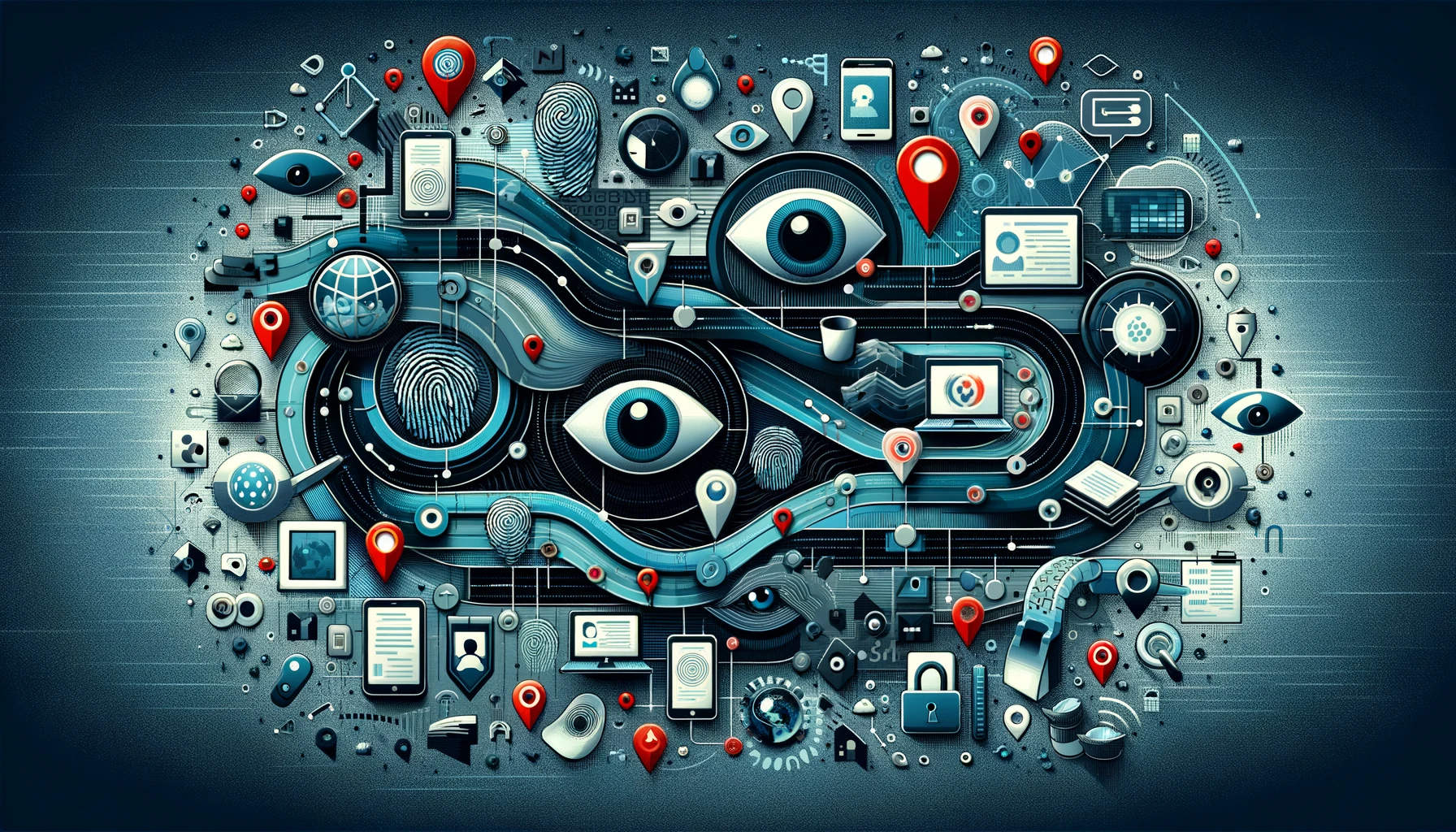
While mobile applications offer unprecedented convenience and connectivity, they also come with less visible costs. Primarily, the extensive tracking and data collection pose significant risks to user privacy and autonomy. Every interaction with a mobile app has the potential to be tracked, collecting data ranging from personal preferences to precise geographical locations. This data is often harvested without clear consent and stored indefinitely, creating a permanent digital footprint of individuals’ lives. This article explores the darker implications of these practices and what they mean for individuals in the digital age.
Negative Impact of Tracking and Data Collection
Privacy is a fundamental right, but in the digital realm, it is often compromised. Tracking and data collection technologies allow companies to access vast amounts of personal information, often without explicit consent or full awareness of the users. This information can include browsing habits, purchase histories, location data, and even more intimate details like health data and personal preferences. The aggregation of this data can create detailed profiles that can feel like a breach of one’s personal life and space. Other negative impacts of tracking and data collection includes:
- Loss of Privacy: The most immediate impact of unchecked data collection is a significant loss of privacy. Apps can monitor users’ movements, contacts, browsing habits, and even listen in via microphones. Over time, this information can be used to build a detailed profile of an individual’s life.
- Security Risks: Stored data can become a target for cybercriminals. Data breaches have exposed sensitive user information, leading to identity theft, financial loss, and personal harm.
- Manipulation and Exploitation: Detailed user profiles are not just used for targeted advertising but can also be employed to manipulate user behavior. For example, during elections, data-driven ads can be used to influence voter behavior, a tactic infamously utilized by Cambridge Analytica during the 2016 U.S. presidential election.
- Discrimination: Automated systems that use collected data can lead to discrimination. Algorithms determining everything from creditworthiness to hiring decisions may rely on biased data sets, perpetuating discrimination based on race, gender, or economic status.
- Erosion of Trust: As users become more aware of the extent of tracking and surveillance, there is a growing distrust towards tech companies. This skepticism can undermine the adoption of new technologies that may genuinely offer societal benefits.
- Psychological Impact: Constant monitoring can lead to anxiety and a sense of being perpetually watched, which is detrimental to mental health. Studies have shown that surveillance can change how individuals express themselves and interact online, often leading to self-censorship.

Regulatory Responses
In response to these challenges, various regulatory measures such as the GDPR in Europe and the CCPA in California have been implemented to provide users with more control over their data. These regulations require companies to be more transparent about data collection practices and offer users the right to access, delete, or transfer their data.
Steps for Protecting Yourself
Tracking technologies not only serve commercial interests but can also be used for more dubious purposes. In some regimes, they become tools for surveillance and control, monitoring movements and activities of citizens. Even in democratic societies, the potential for overreach exists, as seen in debates over government access to data for national security versus individual rights.
Users can take proactive steps to mitigate these risks:
- Use Privacy Settings: Regularly update privacy settings on devices and apps to limit the amount of data shared.
- Educate Yourself: Understanding the permissions requested by apps and the implications of agreeing to them can go a long way in protecting privacy.
- Support Privacy-Focused Alternatives: Opt for apps and services that prioritize user privacy and data security.
Conclusion
The tracking and data collection practices of mobile apps have a dark side that impacts not just individual users but society at large. By understanding these practices and advocating for stronger privacy measures, users can help steer the digital future towards a more secure and privacy-respecting direction.
External resources:
https://www.bansurveillanceadvertising.com
https://www.forbrukerradet.no/out-of-control