Introduction to the General Data Protection Regulation (GDPR)

The General Data Protection Regulation (GDPR) was implemented by the European Union in May 2018, and stands out as one of the most comprehensive data protection laws. It was designed to give individuals more control over their personal data and to unify privacy regulations across Europe. While GDPR primarily targets entities within the EU, it is affecting any organization that deals with the data of EU residents. This includes the realm of mobile apps, where data collection and user privacy are critical concerns. This article further explores how GDPR relates to mobile apps and the broader implications for developers, businesses, and users.
GDPR Basics
GDPR sets out several key principles related to data protection and privacy:
- Consent: Individuals must provide explicit consent for the processing of their personal data, and it must be as easy to withdraw consent as it is to give it.
- Right to Access: Individuals have the right to access their personal data and information about how this data is being processed.
- Data Portability: Individuals have the right to receive their personal data in a standard format and transfer it to another service.
- Privacy by Design: Data protection measures must be integrated into the development of business processes and systems.
GDPR and Mobile Apps
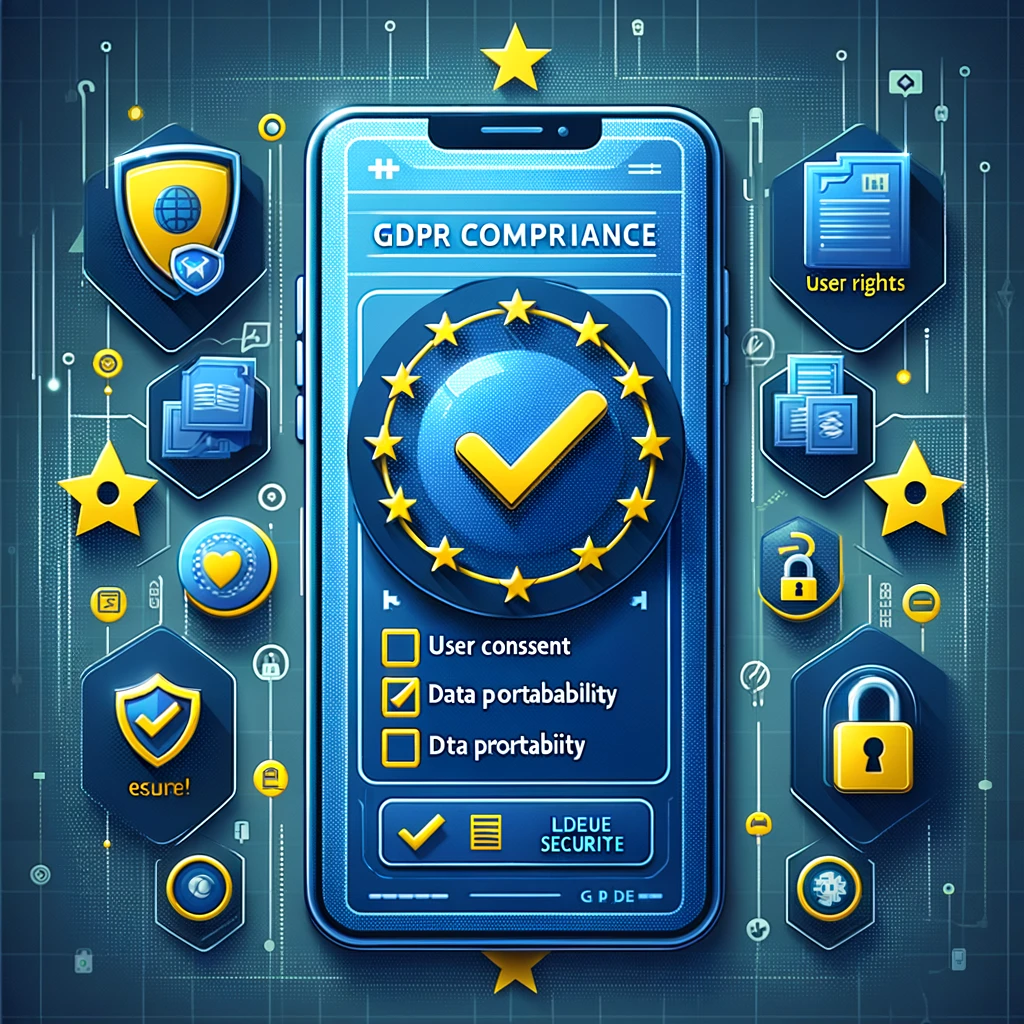
For mobile apps, complying with GDPR means ensuring that any data collection, processing, and storage practices align with these principles. Specifically, mobile app developers and companies must:
- Obtain Clear Consent: Apps must clearly inform users about the data they collect and how it will be used — before the data is collected. Consent must be explicit, typically requiring a user action such as ticking a box.
- Secure Data: Developers must implement adequate security measures to protect personal data from breaches. If a data breach occurs, they are required to notify the relevant authorities and, in some cases, the affected individuals.
- Enable User Control: Apps must provide users with the ability to access, correct, and delete their personal data. They also need to facilitate data portability, allowing users to transfer their data to another service if desired.
- Minimize Data Collection: Only the data necessary for the specified purposes should be collected, which aligns with the GDPR’s principle of data minimization.
Implications for Developers and Businesses
Adhering to GDPR can be challenging, especially for small developers or startups that lack the resources of larger companies. Compliance requires a thorough understanding of the regulation, as well as changes to the app’s design and functionality to ensure data protection features are built-in from the ground up.
The financial implications are also significant, as non-compliance can result in hefty fines, potentially up to 4% of a company’s annual global turnover or €20 million, whichever is greater. Despite these challenges, GDPR compliance can also be seen as a competitive advantage, enhancing user trust and loyalty by demonstrating a commitment to data protection.
Implications for Users
For users, GDPR provides greater transparency and control over their personal data. It empowers users to make better informed decisions about the apps they download and the information they choose to share. The regulation ensures that users can easily manage their privacy settings and opt out of data collection if they do not feel comfortable with how their data is being used.
Conclusion
GDPR has significantly impacted how mobile apps handle user data, enforcing stricter measures and granting users more rights and control over their personal information. As privacy concerns continue to grow, regulations like GDPR play a crucial role in shaping a more secure digital environment. For developers and businesses, understanding and implementing GDPR is not just about legal compliance; it’s about respecting user privacy and fostering a trustworthy relationship with the audience.
However, research into the effects of GDPR reveals mixed results. Although there have been advancements in privacy policies and mechanisms for obtaining user consent, enforcement of these regulations often falls short. Our studies indicate that many apps still demonstrate substandard privacy practices. This highlights doubts about the effectiveness of existing regulatory frameworks in safeguarding user data within the mobile app environment.
External resources:
https://en.wikipedia.org/wiki/General_Data_Protection_Regulation
https://www.wired.com/story/what-is-gdpr-uk-eu-legislation-compliance-summary-fines-2018
https://www.skillcast.com/blog/biggest-gdpr-fines-2024
https://www.ispartnersllc.com/blog/gdpr-one-year-later-impact